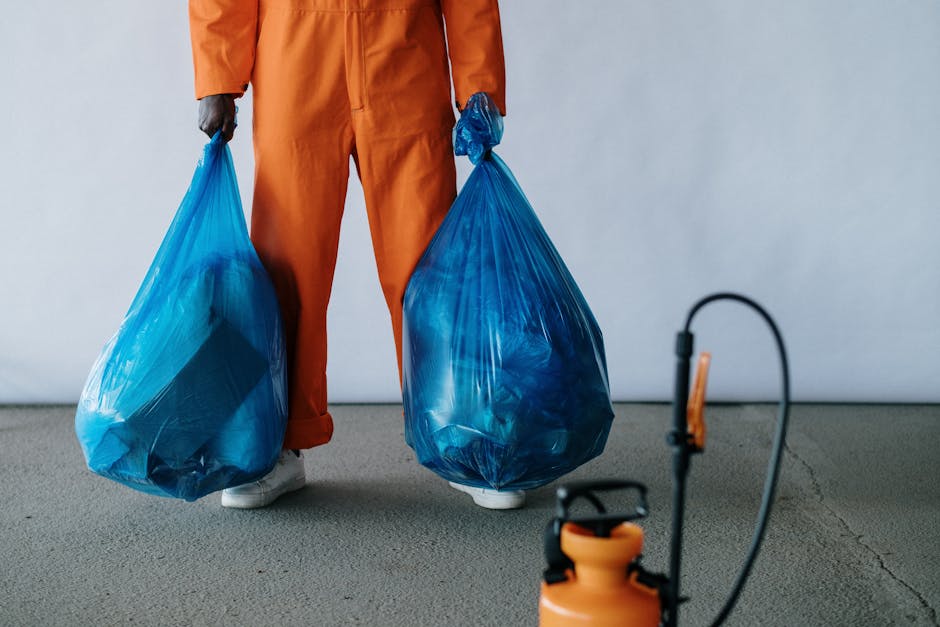
Skip and Water Disposal Rules for Islington Cleaning Contractors
If you clean homes, offices, or commercial sites in Islington, skip and water disposal rules can shape the whole job. A job can look straightforward at first glance - clear the waste, tip the dirty water, move on - but in London, the details matter. Skip placement, wastewater handling, drainage, permits, and even where you park the vehicle can all affect how smoothly the work runs.
This guide breaks down skip and water disposal rules for Islington cleaning contractors in plain English. You will learn what the rules mean in practice, why they matter, how to work safely and legally, and how to avoid the kinds of mistakes that create fines, complaints, or a very awkward call-back. We will also look at best practice, a simple step-by-step process, and a realistic checklist you can use on site. Let's face it, nobody wants to finish a good clean and then get caught out by the waste side of the job.
Table of Contents
- Why Skip and Water Disposal Rules Matter
- How Skip and Water Disposal Works
- Key Benefits and Practical Advantages
- Who This Is For and When It Makes Sense
- Step-by-Step Guidance
- Expert Tips for Better Results
- Common Mistakes to Avoid
- Tools, Resources and Recommendations
- Law, Compliance, Standards, or Best Practice
- Options, Methods, or Comparison Table
- Case Study or Real-World Example
- Practical Checklist
- Conclusion
- Frequently Asked Questions
Why Skip and Water Disposal Rules for Islington Cleaning Contractors Matters
Cleaning work creates more than visible dirt. It often produces waste that has to be moved, contained, sorted, transported, and disposed of in the right way. For contractors in Islington, that can include bagged rubbish, wet sludge, extraction waste, used filters, packaging, and wastewater from equipment. If any of that is handled badly, the job becomes more expensive and more risky than it needed to be.
The local context matters too. Islington is dense, busy, and full of narrow streets, shared access, controlled parking, and buildings where neighbours notice everything. A skip left in the wrong place or wastewater discharged irresponsibly can trigger complaints fast. And even where the job itself is small, the waste side can be surprisingly sensitive. One overflowing bag or one bucket poured into the wrong drain can create an issue that follows you around for days.
There is also a reputation angle. Contractors who deal neatly with waste look organised and professional. Clients notice that. Facility managers notice it. So do building occupiers who do not want to see dirty water running across a forecourt or a skip blocking the pavement. It sounds basic, but basic is often what separates a clean operation from a messy one.
Practical takeaway: good cleaning is not only about removing soil and stains. It is also about controlling what leaves the site, where it goes, and how safely it gets there.
How Skip and Water Disposal Rules for Islington Cleaning Contractors Works
In simple terms, there are two separate but connected parts to this topic: solid waste disposal and liquid waste disposal. A skip is used for solid waste streams that can be collected and removed by a licensed waste carrier. Water disposal is different. Dirty water from cleaning equipment, extraction machines, mop buckets, or flood work may need careful handling so it does not enter the wrong drain or contaminate the environment.
Skip disposal in practice
For many cleaning jobs, a skip is used when the amount of waste is more than a contractor can reasonably bag and remove in smaller loads. That might include stripped carpet underlay, packaging, damaged furnishings, old textiles, or heavy post-cleaning waste after renovation or deep-clean work. The important point is not just using a skip - it is using it correctly. The right size, the right location, the right permit if needed, and the right waste stream all matter.
In Islington, placing a skip can involve street rules, pavement space, access considerations, and site permissions. If it sits on private property, the rules can be simpler. If it goes on a public road or verge, you need to check the local process carefully before work starts. Otherwise, the whole schedule can unravel before the first brush has touched the floor.
Water disposal in practice
Water disposal is where many cleaning contractors get cautious - and rightly so. Dirty water can contain detergents, suspended soil, grease, chemicals, and other residues picked up during cleaning. Depending on what has been cleaned, the water may need to be collected and disposed of through an approved route rather than poured away casually.
For example, water from carpet extraction after a domestic clean is not the same as wastewater from cleaning a greasy commercial kitchen. One may be manageable with controlled disposal into an appropriate foul-water route if local rules and site conditions allow; the other may need much stricter handling. Truth be told, this is where a one-size-fits-all approach causes trouble.
What usually affects the rules
- The type of cleaning job
- The kind of waste or water involved
- Whether the site is domestic, commercial, or mixed-use
- Whether a skip must sit on private land or public space
- What drainage points are available on site
- How hazardous the waste may be
- Whether the contractor or client is responsible for approvals
That last point catches people out more often than you would think. A client might assume the cleaner will handle everything. The contractor might assume the site owner has sorted permissions. Then, somewhere around 7:30 in the morning, everyone realises nobody actually checked. Not ideal.
Key Benefits and Practical Advantages
Following proper skip and water disposal rules is not only about avoiding problems. Done properly, it improves the whole operation. It saves time, reduces wasted effort, and helps contractors look reliable in a market where trust matters.
1. Cleaner site management
When waste and wastewater are planned in advance, the site stays tidier. That makes it easier to work efficiently, especially in busy Islington locations where foot traffic, neighbours, and access constraints are all part of daily life.
2. Lower risk of complaints
Overflowing skips, stained paving, leaking buckets, and unpleasant odours create friction. Clients may not know the regulations, but they know when something looks wrong. Keeping disposal under control cuts down on complaints and awkward follow-up conversations.
3. Better cost control
Unplanned waste handling can lead to extra collection fees, second trips, parking issues, or replacement materials if contamination occurs. A straightforward disposal plan is usually cheaper than dealing with mistakes later.
4. Stronger compliance posture
Contractors who can explain how waste and water are handled tend to inspire more confidence. That matters for facilities managers, landlords, managing agents, and commercial clients who want low-drama suppliers.
5. More efficient scheduling
If the disposal route is clear before arrival, the team can work to a realistic timeline. No one wants a crew standing around waiting for a skip space to be cleared or hunting for a safe way to deal with dirty extraction water.
Small but real advantage: when disposal is properly planned, the job often feels calmer. Less scrambling. Less guesswork. Just a better flow.
Who This Is For and When It Makes Sense
This topic matters to a wide range of cleaning contractors, not just large firms. In practice, it affects anyone who produces waste beyond simple bagged rubbish or who uses water-based cleaning methods in spaces where disposal must be controlled.
Typical users of these rules
- Independent cleaning contractors
- Commercial cleaning teams
- Carpet and upholstery cleaners
- End-of-tenancy cleaners
- Post-renovation or builders' clean teams
- Flood or extraction clean specialists
- Facility maintenance contractors
When it makes sense to think about disposal early
You should think about skip and water disposal before the job starts if the work involves one or more of the following:
- Large amounts of waste material
- Heavy, wet, or bulky items
- Extraction machines or wet vacs
- Cleaning chemicals that create residue
- Site access restrictions
- Shared entrances or public-facing premises
- A need to avoid drains, gutters, or paved areas getting contaminated
In other words, if you are wondering, "Can we just deal with the waste at the end?" the answer is usually yes, but only if you have already thought it through. That little bit of planning saves a lot of hassle.
Step-by-Step Guidance
Below is a simple operational approach that works well for many cleaning contractors in Islington. It is not a substitute for site-specific checks, but it gives you a practical framework.
Step 1: Identify the waste and water streams
Before you arrive, work out what the job will produce. Separate solid waste from liquid waste. Ask whether the site will produce general waste, recyclable material, contaminated waste, or wastewater from machines. That distinction matters more than people expect.
Step 2: Check the site layout
Look at where the skip could go, where vehicles can stop, and where water could be moved safely. A narrow street, a basement flat, or a shared courtyard changes the job completely. If you know the site well, you may already be picturing the pinch points. If not, a quick site visit or photo review helps.
Step 3: Confirm permissions and access
Make sure the client, landlord, or managing agent has agreed to the arrangement. If a skip will be on public land, the proper permission route must be checked in advance. If the work involves a shared drain or internal disposal point, confirm whether it is usable for the type of wastewater produced.
Step 4: Choose the disposal method
For solid waste, decide whether you need a skip, a waste carrier, or a smaller load-out. For water, decide whether it can be safely collected, transferred, or disposed of through the correct approved route. Where there is any uncertainty, choose the safer option and slow down a touch.
Step 5: Protect the area
Use sheeting, absorbent materials, secure containers, and tidy routing so the waste does not spread. A leaking bucket on a polished hallway floor is the sort of thing everyone remembers for the wrong reasons.
Step 6: Handle loading and transfer carefully
Do not overfill containers. Keep weight distributed sensibly. Avoid mixing incompatible materials. For wastewater, avoid splashing, dripping, or moving open containers through public or customer-facing areas unless there is no better option and you have protected the route.
Step 7: Dispose and record
Once the waste is removed, keep your notes in order. Even a simple job log showing what was removed, how it was handled, and who collected it can help if a question comes up later. It is boring paperwork, yes, but boring paperwork is often what saves the day.
Expert Tips for Better Results
Here are the habits that separate a smooth contractor operation from a constant fire-fighting routine.
- Plan disposal during quoting, not after arrival. Disposal affects labour time, access, and vehicle use, so it should be part of the estimate from the start.
- Separate dry and wet waste immediately. Once everything is mixed together, disposal gets slower and messier.
- Use closed containers for dirty water where possible. Even a small spill can create a big mess in stairwells or lift lobbies.
- Build in a margin for access delays. In Islington, waiting for parking, lift access, or permission can easily change the pace of a job.
- Train staff on what not to pour away. A quick briefing is better than assuming everyone knows the rules. They often do not, to be fair.
- Match cleaning chemistry to disposal needs. The more aggressive the product, the more careful you should be with residue and runoff.
One small tip that saves grief: if you are not certain where the wastewater should go, stop and ask before moving it. That pause feels inconvenient in the moment, but it is much cheaper than cleaning up a disposal mistake.
Common Mistakes to Avoid
Most disposal mistakes are not dramatic. They are ordinary, easy-to-miss things that happen when a team is busy and trying to keep moving. The problem is that those small slips can create disproportionate headaches.
Mixing waste streams
Putting solid waste, contaminated rags, and wastewater together makes the whole load harder to dispose of safely. It can also increase costs if a skip load is no longer suitable for the expected route.
Assuming any drain is fine
Not every drain is suitable for every type of wastewater. That assumption is one of the quickest ways to create compliance or environmental issues. Drainage on a property can be more complex than it looks from the surface.
Leaving skip placement to the last minute
If a skip must go on public land, leaving that arrangement too late can stall the job. The crew arrives, the materials are ready, and suddenly there is nowhere legal to place them. Not a great feeling.
Overfilling skips
An overfilled skip is more difficult to collect safely and can create practical and legal problems. It may also attract complaints if it looks untidy or unsafe.
Failing to protect floors and shared areas
Dirty water dripping through an entrance or lift lobby can damage surfaces and create a slip risk. That is the sort of mistake people remember because they can see it.
Ignoring client communication
Clients often need a simple explanation: what waste will be created, who handles it, and what the site needs to provide. If you do not explain it clearly, confusion grows quietly in the background.
Tools, Resources and Recommendations
You do not need a huge amount of equipment to manage waste properly, but the right basics make a big difference.
Useful tools and equipment
- Heavy-duty rubble sacks and sealed waste bags
- Lidded tubs or containers for dirty water
- Wet vacs or extraction machines with suitable recovery tanks
- Absorbent pads or spill kits
- Protective sheeting for floors and walkways
- Labels or notes for separating waste types
- Gloves and suitable PPE for handling dirty water and waste
Internal resources that support better operations
It also helps to keep your own business documentation tidy. A contractor who can show a proper policy structure looks far more organised. If you are improving your own process, it is worth reviewing your health and safety policy alongside disposal routines, because the two are closely linked in practice.
For clients who ask how you manage waste responsibly, a page or statement about recycling and sustainability can support your message, especially where waste reduction or reuse matters on commercial sites.
It is also sensible to keep your business terms clear. If there is any ambiguity around access, disposal responsibility, or additional charges, your terms and conditions should be easy to understand. That avoids a lot of back-and-forth later.
What to ask before the job starts
- Is the waste mostly dry, wet, or mixed?
- Will a skip be needed, or can waste be removed another way?
- Where can the skip or vehicle be placed?
- What drainage points are available and suitable?
- Are there any site rules on waste handling or access?
- Who is responsible for permissions and collection arrangements?
Law, Compliance, Standards, or Best Practice
This is the area where contractors need to be careful, because disposal work often sits across several different responsibilities. You do not need to become a legal specialist, but you do need a working understanding of your obligations.
In the UK, waste handling and wastewater disposal are regulated matters, and local rules can apply depending on the location, the waste type, and the route used. The practical rule is simple: do not assume a disposal method is acceptable just because it is convenient. Check whether the waste is general, contaminated, potentially hazardous, or subject to special handling.
For skip placement, public highway use, obstruction risks, and nuisance issues are all relevant considerations. In a busy borough like Islington, the standard is usually high because space is limited and impacts are visible. A skip that blocks access or causes litter spread can quickly become a problem for both contractor and client.
For water disposal, the key issue is where the liquid goes and what it contains. Dirty water from cleaning, extraction, or stain treatment may include chemicals or residues that need careful management. Best practice is to keep wastewater controlled, avoid discharge to inappropriate places, and document what was done if the job is sensitive.
Best practice summary: use the least risky disposal method that still fits the job, keep records, and never rely on assumptions when the site or waste type is unusual.
If your operations involve sensitive materials or repeated waste movement, it can also help to review broader business safeguards such as insurance and safety. That way, the operational side and the protection side line up properly.
Options, Methods, or Comparison Table
Different jobs call for different disposal approaches. There is no single answer that suits every site, and that is exactly why a simple comparison helps.
| Method | Best for | Strengths | Limitations |
|---|---|---|---|
| On-site skip | Bulky solid waste, renovation debris, mixed clean-out waste | Simple for larger volumes, keeps waste contained | Needs space and possibly permission; can be costly if underused |
| Bagged waste removal | Smaller cleaning jobs, lighter waste streams | Flexible, quick, no skip footprint | Can become labour-heavy for large jobs |
| Controlled wastewater collection | Extraction jobs, wet cleaning, sensitive interiors | Reduces spill risk, easier to manage on-site | Needs proper containers and transfer discipline |
| Specialist waste handling | Contaminated or higher-risk waste | Safer for unusual materials | Requires more planning and often higher cost |
For many contractors, the choice comes down to scale and risk. A small domestic clean may only need bagged waste and carefully contained dirty water. A larger commercial job, especially one involving deep extraction or post-refurbishment debris, may need a much more structured disposal plan. You can often tell which way it is leaning before the van doors even close.
Case Study or Real-World Example
Here is a realistic example from the kind of job contractors run into all the time.
A cleaning team is booked for a mixed-use building in Islington after a tenant move-out and light refurbishment. The job includes carpet extraction in the communal hallway, removal of damaged packaging, and disposal of small amounts of broken fittings and cleaning debris. At first glance, it looks manageable without much planning.
But the building has narrow access, a shared entrance, and limited waiting space outside. The team checks the site in advance and realises the skip cannot be left on the road without proper arrangement, and there is no straightforward internal route for moving dirty water without risking the lobby floor. So they change the plan: waste is bagged and staged in a protected area, wastewater is collected in sealed containers, and collection timing is matched to the job schedule.
The result? No spill on the threshold, no neighbour complaint, and no delay waiting for someone to figure out where the skip can go. The job feels a bit slower at the start, but in the end it is quicker because nothing has to be fixed. That is usually how good planning works - unglamorous, but effective.
One small detail made a difference too: the team had checked their client communication in advance and knew exactly who to speak to on arrival. Simple. Not exciting. Very helpful.
Practical Checklist
Use this before and during the job. It keeps the waste side under control without making the process complicated.
- Confirm what type of waste and wastewater the job will produce
- Check whether a skip is needed or whether smaller removal methods will do
- Verify where the skip can legally and safely go
- Confirm any permissions, access controls, or site rules
- Prepare containers for dirty water and secure them against spills
- Protect floors, entrances, and shared spaces
- Keep solid waste separate from wet waste and chemicals
- Brief staff on handling, loading, and disposal routes
- Document any special waste handling decisions
- Review the final site condition before leaving
Quick reminder: if anything feels uncertain on site, pause and re-check. A few extra minutes is nothing compared with a disposal mistake that becomes visible to the whole street.
Conclusion
Skip and water disposal rules for Islington cleaning contractors are really about control: controlling waste, controlling risk, and controlling how the job feels from start to finish. When disposal is planned properly, the work runs more smoothly, the client has less to worry about, and the contractor looks far more professional.
In a borough like Islington, where access is tight and people notice what happens on the pavement or in the entrance hall, the details matter. A neat skip plan and a sensible approach to wastewater are not extras. They are part of doing the job properly. That may sound a bit dry, but in real life it is what keeps good jobs from turning into avoidable headaches.
If you are refining your process, start with the site layout, separate your waste streams early, and make sure your team knows the disposal route before the first cloth or extraction wand comes out. Small steps, really. But they add up.
Get a free quote today and see how much you can save.
Frequently Asked Questions
What do skip and water disposal rules mean for cleaning contractors in Islington?
They are the practical rules and best practices for handling solid waste and dirty water from cleaning jobs, including where waste can go, how it should be contained, and what permissions may be needed.
Do I always need a skip for a cleaning job?
No. Small jobs may only need bagged waste removal or a simple collection plan. A skip usually makes sense when the waste volume is larger, bulkier, or awkward to move in smaller loads.
Can dirty water from carpet cleaning be poured down any drain?
Not necessarily. The correct route depends on the water content, the site drainage, and the type of cleaning carried out. If the water contains chemicals or heavy contamination, extra care is needed.
Who is responsible for arranging skip permissions?
That depends on the agreement between contractor and client. On some jobs the client or site owner handles permissions, while on others the contractor does. It should be agreed before work starts.
What is the biggest mistake contractors make with water disposal?
Assuming all wastewater can be treated the same way. A small domestic extraction job and a greasy commercial clean are very different in practice, even if the buckets look similar.
Do Islington cleaning contractors need different disposal rules for commercial jobs?
Often yes, because commercial premises can involve larger waste volumes, shared access, stricter building rules, or more sensitive wastewater handling. The site context matters a lot.
How can I avoid spills when moving dirty water?
Use sealed or lidded containers, protect the walking route, avoid overfilling, and move carefully through the site. It sounds basic, but basic is what works.
What should I record after disposing of waste?
Keep notes on the type of waste, how it was handled, who collected it, and any special arrangements made. Simple records help if a client asks questions later.
Can skip placement affect neighbour complaints?
Yes. A poorly placed skip can block access, create noise, or make the area look untidy. In a place like Islington, that can become a complaint very quickly.
Is water disposal part of health and safety planning?
Absolutely. Dirty water creates slip risks, contamination risks, and handling concerns. It should be considered alongside PPE, floor protection, and site setup.
What is the best way to explain disposal charges to clients?
Be clear and simple. Explain what waste is expected, why the method was chosen, and whether any extra collection, access, or disposal cost is involved. Transparency avoids friction.
Where can I fit disposal planning into my quoting process?
Right at the start. If you assess waste volume, access, skip needs, and water handling before quoting, your estimate is usually more accurate and your job day runs more smoothly.