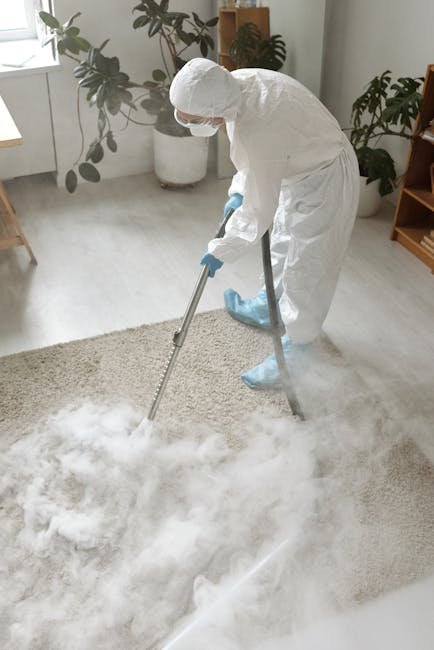
Licensing requirements for carpet cleaning businesses in Islington
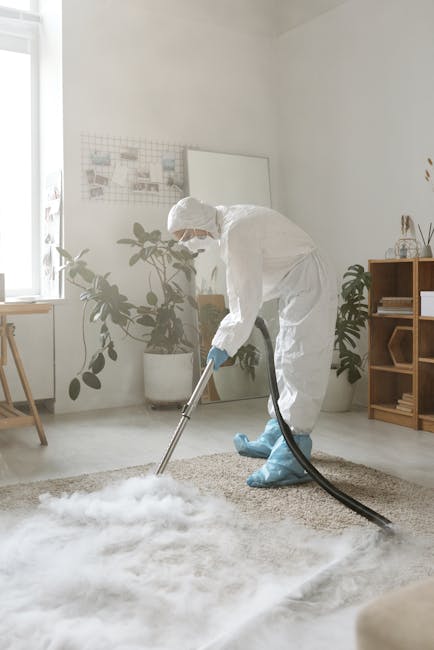
If you are setting up or hiring a carpet cleaning business in Islington, the licensing question usually comes up early. And for good reason. Nobody wants to get halfway through launching, taking bookings, and then discover there is a council rule, insurance gap, or waste issue hiding in the background. Truth be told, most carpet cleaning work does not need a special trade licence in the way some higher-risk businesses do, but that does not mean you can ignore compliance. You still need to understand local permissions, business registrations, health and safety duties, waste handling, insurance, and the practical standards that help a business operate properly in London.
This guide breaks down the Licensing requirements for carpet cleaning businesses in Islington in plain English. We will look at what usually needs checking, what may apply depending on how you work, what a sensible compliance setup looks like, and how to avoid the little mistakes that can snowball into bigger problems later on. If you are a solo operator, a growing cleaning firm, or a customer trying to assess a provider, this will help you make sense of it all.
One small reality check before we dive in: many people say "licensing" when they really mean a mix of legal registration, insurance, safety documents, and local operating rules. That distinction matters. A lot.
Why Licensing requirements for carpet cleaning businesses in Islington Matters
In a busy borough like Islington, customers expect more than a decent clean. They expect a business that is legitimate, careful in homes and workplaces, and able to show it understands the basics of compliance. That includes the licensing requirements for carpet cleaning businesses in Islington, but also the wider duty of running a proper service.
Why does this matter so much? Because carpet cleaners often work in live environments: flats with shared entrances, offices with staff walking around, family homes with pets and children, and commercial premises where cleaning may happen after hours. You are bringing water, equipment, chemicals, electrical kit, and sometimes waste into places where people already live or work. If anything is managed badly, the problem is not just regulatory. It is practical. Slips, leaks, damage, complaints, downtime. Nobody enjoys that at 8:30 on a Monday morning.
For business owners, compliance also shapes credibility. A customer comparing providers is more likely to trust a company that can clearly explain insurance, safety controls, and any relevant permissions than one that just says "yeah, we're fine." For buyers, especially commercial clients, that assurance can be the difference between choosing a provider confidently or keeping the search going.
Expert summary: Most carpet cleaning businesses are not "licensed" in a single, standalone sense. The real job is to check whether any local permissions apply, then make sure the business meets the legal, insurance, safety, and waste-handling standards expected in the UK and in London.
That broader view matters in Islington because the borough is dense, varied, and very much not a one-size-fits-all place. A domestic carpet clean in a small flat is one thing. A large commercial contract in a shared building is another. The rules of good practice stay similar, but the risk profile changes.
How Licensing requirements for carpet cleaning businesses in Islington Works
The easiest way to think about it is in layers. There is usually no single carpet-cleaning licence to apply for, but there are several layers of obligations that may affect a business depending on how it operates.
1. Business registration and operating status
Most carpet cleaning businesses operate as sole traders, limited companies, or partnerships. That structure determines tax and administrative duties, but not a special carpet-cleaning licence in itself. Still, you should register the business properly and keep records tidy. It sounds basic. It is basic. Yet basic things are where people often slip.
2. Local permissions where relevant
Depending on your setup, there may be borough-specific matters to consider. For example, if you store equipment in a commercial unit, use a van in restricted areas, dispose of wastewater in a way that needs checking, or work from premises that require other permissions, the local picture becomes more important. The exact need depends on the premises and operating model, not just the service type.
3. Environmental and waste handling responsibilities
Carpet cleaning can generate wastewater, used cleaning solution, contaminated cloths, and general waste. Even if you are not dealing with hazardous waste in the strict sense, you still need to handle disposal properly. Let's face it, dirty water in the wrong place creates complaints very quickly, especially in flats and shared buildings where smells carry and drains are not always forgiving.
4. Safety and insurance expectations
Insurance is not a licence, but in real life it often matters just as much. Public liability cover, employer's liability if you have staff, and sensible equipment protection all help show the business is serious. Many customers, especially commercial ones, will ask for this before booking. If you also have documented insurance and safety arrangements and a clear health and safety policy, that helps a lot.
5. Contract and consumer expectations
In customer-facing work, your terms, cancellations, pricing clarity, and complaints handling matter because they affect trust. A well-run business should be able to point customers to its terms and conditions, pricing and quotes, and complaints procedure without fuss.
So the "how it works" answer is really this: check whether any local permission applies, then make sure the business is legally registered, insured, safe, and operationally tidy. That is the practical version, and it is the one that keeps you out of trouble.
Key Benefits and Practical Advantages
Getting the licensing and compliance side right is not just about avoiding fines or awkward questions. It changes how your business feels to customers and how smoothly it runs day to day.
- More trust: Customers feel more comfortable booking a provider that can clearly explain what it is allowed to do and how it operates.
- Smoother commercial sales: Offices, landlords, letting agents, and facilities teams usually want evidence of insurance and controls before saying yes.
- Fewer disputes: Clear written terms and a formal complaints process reduce confusion if something does not go as expected.
- Better site safety: Good housekeeping and risk controls lower the chance of slips, damaged flooring, or awkward water-related incidents.
- Cleaner operations: Proper waste handling and documentation make the business easier to manage, especially as it grows.
- Reputation protection: In a local market, word travels fast. A business known for doing things properly tends to keep booking momentum better.
There is also a quieter benefit: peace of mind. When the admin is in order, you stop second-guessing yourself. You can focus on the clean, the customer, and the schedule, instead of wondering whether some missing document is about to ruin your week. That alone is worth something.
If you are also offering related services like upholstery cleaning, sofa cleaning, or rug cleaning, the same disciplined approach usually pays off across the whole business.
Who This Is For and When It Makes Sense
This topic matters to a few different groups, and each one has a slightly different angle.
New carpet cleaning start-ups
If you are just starting out, licensing and compliance may feel like one more pile of admin. Fair enough. But it is much easier to build the right setup from day one than to retrofit it after you have already been trading for months. A few smart checks now can save a great deal of awkwardness later.
Existing sole traders
Maybe you have been cleaning carpets for years and have built your work through referrals. Good. But local expectations change, customers ask more questions, and larger contracts often need evidence of insurance, safety controls, or documented policies. That does not mean your business is suddenly "non-compliant"; it means the bar may be higher than it was when you started.
Commercial cleaning contractors
If you clean offices, communal areas, hospitality venues, retail units, or managed properties, the compliance picture becomes more formal. Clients may require proof of insurance, RAMS-style risk assessment documents, and clear site procedures. In practice, this is where solid paperwork becomes part of winning work.
Customers choosing a provider
If you are hiring a carpet cleaning company in Islington, this topic helps you separate a professional operator from someone who is just winging it. Ask whether they are insured, whether they have safety procedures, how they dispose of wastewater, and whether their terms are clear. It is not being fussy. It is sensible.
Letting agents, landlords, and facilities managers
These groups often need fast turnaround and low-risk service delivery. A provider that understands compliance can slot into your operations more cleanly. A provider that does not can create avoidable admin, and nobody needs more of that, frankly.
Step-by-Step Guidance
Here is a practical way to approach the licensing requirements for carpet cleaning businesses in Islington without overcomplicating things.
- Define your business model. Are you working from home, from a unit, or on the road? Do you clean only carpets or also upholstery, curtains, mattresses, and stain removal? Your setup affects what permissions or controls may be relevant.
- Check whether any local permission applies. Some businesses need to think about premises use, storage, waste disposal, or transport arrangements. Not every operator will need the same thing, so avoid assumptions.
- Put insurance in place. At minimum, review public liability cover. If you employ anyone, employer's liability is usually essential. Keep proof ready for customers and commercial buyers.
- Create clear health and safety procedures. Think slips, cables, detergents, hot water, steam equipment, manual handling, and ventilation. Write down what you do, not just what you hope will happen.
- Prepare your customer documents. Terms, pricing explanations, cancellation rules, and a complaints process should be easy to find and easy to understand.
- Set your waste-handling routine. Know where wastewater goes, how you prevent spillage, and how you dispose of used materials. That small routine matters more than people expect.
- Train yourself and any staff. Even a simple training log can help show that safety is not a vague promise.
- Review your setup regularly. If you add commercial work, larger vans, new chemicals, or extra staff, revisit the compliance side again. Businesses change. Paperwork should keep up.
A lot of business owners want a single neat answer. Wouldn't that be nice? But the real answer is a checklist of responsibilities, and once you see it that way, it becomes much easier to manage.
Expert Tips for Better Results
These are the sorts of things that make a carpet cleaning business feel more dependable without turning it into a mountain of paperwork.
- Keep your public-facing information consistent. If your website says one thing and your quote says another, trust drops immediately.
- Use simple, plain English. Customers do not need legal theatre. They need clarity.
- Document the awkward bits. What happens if a stain spreads? What if the client wants the clean moved because of a tenant handover? Put it in writing.
- Take photos before and after when appropriate. Not for vanity. For proof. It helps if there is ever a disagreement.
- Plan for London logistics. Parking, access, stairs, lift use, entry times, and shared hallways can all affect the job. Islington especially can make you earn your tea.
- Use service-specific controls. Steam cleaning is not the same as dry work, and upholstery can behave differently from carpet. If you also offer steam carpet cleaning or carpet cleaning, adapt the process to the surface.
One useful habit: at the end of a job, pause and ask yourself whether the customer would understand exactly what was done if they looked at your paperwork later. If the answer is yes, you are in a good place.
Common Mistakes to Avoid
A surprising number of problems come from the same few errors. None of them are dramatic on their own. Combined, they can become messy.
- Assuming no rules apply. Just because there is no obvious carpet-cleaning licence does not mean there are no obligations at all.
- Ignoring insurance details. Some operators have insurance, but not enough cover for the kind of work they actually do.
- Forgetting wastewater and residue. Spilled solution or poor disposal can create complaints very quickly.
- Not having written terms. If the customer queries price, timing, or what happens after a return visit, you want a clear reference point.
- Using the same process for every job. A commercial office, a rental flat, and a family home are not identical jobs.
- Overpromising results. Stain removal is often possible, but not magical. Saying too much creates disappointed customers.
- Leaving accessibility and communication to chance. If a customer has access needs or a building has specific entry rules, prepare in advance.
The hidden mistake is maybe the biggest one: treating compliance as a one-off task. It is not. It is part of how the business stays healthy.
Tools, Resources and Recommendations
You do not need a complicated system to stay organised. You need a few reliable documents and a habit of keeping them current.
| Area | What to keep ready | Why it helps |
|---|---|---|
| Insurance | Public liability, employer's liability if relevant | Shows the business can operate responsibly |
| Safety | Risk assessments, method notes, equipment checks | Reduces site incidents and improves consistency |
| Customer terms | Quotes, cancellation rules, service scope | Prevents confusion and disputes |
| Waste handling | Simple disposal routine, spill process, cleaning materials plan | Helps keep jobs tidy and compliant |
| Reputation and trust | About page, service pages, complaints procedure | Makes the business look structured and accountable |
If you want to understand how a professional cleaning company presents itself, it can also help to review pages like about us, recycling and sustainability, and payment and security. Those are not licences, of course, but they show the kind of business discipline customers usually expect.
For service-specific information, relevant pages such as stain removal, pet stain odour removal, and mattress cleaning can help customers understand the scope of work more clearly.
Law, Compliance, Standards, or Best Practice
This is the section where it helps to be careful and precise. Carpet cleaning is generally not treated like a heavily licensed trade in the UK, but businesses still need to comply with the usual legal duties for trading, safety, consumer protection, and environmental care. The exact duties can vary depending on how the business is structured and where it operates.
In practice, a carpet cleaning company in Islington should think about the following broad areas:
- Business registration and tax compliance: The business must be properly set up and recorded in the correct legal form.
- Insurance: Public liability is commonly expected, and employer's liability becomes important if staff are involved.
- Health and safety: Risk controls for slips, trip hazards, equipment, detergents, lifting, and access are standard good practice.
- Consumer information: Customers should know pricing, scope, terms, and complaint routes before or at the point of booking.
- Waste handling: Dirty water, packaging, and cleaning residues should be managed responsibly.
- Data and privacy: If you collect customer details, you need a sensible privacy setup and secure handling of information.
Best practice is not just about avoiding problems. It is about creating a business that can stand up to scrutiny. If a landlord, office manager, or homeowner asks for proof of insurance or a clear procedure, you can answer immediately instead of scrambling through old emails. That difference matters more than people think.
If you are a client, the same standards apply when choosing a provider. Ask what insurance they carry, how they manage site safety, and whether their written terms are clear. A reputable company should not be defensive about those questions. Quite the opposite.
Options, Methods, or Comparison Table
When people discuss licensing requirements for carpet cleaning businesses in Islington, they often mix up compliance with business style. It helps to separate the common operating models.
| Model | Typical setup | Compliance focus | Best for |
|---|---|---|---|
| Sole trader | One person, lean admin, flexible scheduling | Insurance, safe working practices, simple records | Smaller domestic jobs and low-overhead start-ups |
| Limited company | Separate legal entity, more formal admin | Documentation, customer trust, structured processes | Businesses aiming for growth or commercial work |
| Multi-operator team | Several cleaners, vans, larger workload | Training, employer duties, job risk controls | Regular contracts and larger geographic coverage |
The cleaning method also matters a bit. Steam cleaning, for example, can raise different risk and equipment questions than lighter surface cleaning. Upholstery work has its own fabric-care concerns. If your business does a mix of services, you need controls broad enough to cover the whole menu, not just carpets.
That is why a strong service structure matters as much as the business structure. A tidy company on paper tends to run tidier jobs on site. Usually. Not always, but usually.
Case Study or Real-World Example
Here is a realistic example based on the kind of situation that comes up often.
A small Islington carpet cleaning business starts with one van, one technician, and mostly domestic bookings. At first, the owner focuses on equipment and marketing. Sensible enough. But after a few months, two things happen: a local estate agent asks for proof of insurance and written terms, and a commercial client wants confirmation that the business has safety controls in place for wet floors, cables, and access routes.
The owner realises the business is delivering good work, but the admin side is not yet as polished as the cleaning side. So they tighten things up: they prepare a basic health and safety policy, review insurance cover, document a simple wastewater routine, and add clearer wording to their quotes. They also make their complaints process visible and update their customer information so expectations are set from the start.
Nothing dramatic happened. No big failure, no horror story. Just the ordinary pressure that comes when a service business starts to grow. But after those changes, the owner finds that customers ask fewer repeated questions, commercial enquiries feel easier, and the whole operation becomes calmer. Less guessing, more confidence.
That is the real value of good licensing awareness and compliance discipline. It does not just keep you safe on paper. It makes the business feel more stable in everyday life.
Practical Checklist
Use this as a quick working checklist if you are setting up or reviewing a carpet cleaning business in Islington.
- Confirm your business structure is properly set up.
- Check whether any local permission or premises-related issue applies.
- Arrange suitable insurance and keep the documents current.
- Prepare a written health and safety process for jobs.
- Plan how you manage spills, wastewater, and used materials.
- Make sure quotes and pricing are clear.
- Keep terms and conditions easy to access.
- Have a complaints procedure ready.
- Train staff on equipment, surfaces, and safe working.
- Review procedures whenever the business expands or changes service mix.
- Make sure privacy and payment information are handled securely.
- Check that your customer-facing pages match how you actually work.
Quick takeaway: If your paperwork, insurance, and site procedures are in good shape, you are already most of the way there. The rest is just keeping it consistent.
Conclusion
The licensing requirements for carpet cleaning businesses in Islington are best understood as a wider compliance picture rather than a single licence question. Most operators will not be chasing a special carpet-cleaning permit, but they do need to think carefully about business registration, insurance, safety, waste handling, customer terms, and any local operational issues that apply to their setup.
For business owners, the practical win is simple: be organised, be clear, and do the ordinary things well. For customers, the benefit is confidence. You know the company is not improvising its way through your hallway or office floor. It understands the job, the risks, and the expectations that come with working in a real London borough.
If you are comparing providers or building a service yourself, start with the fundamentals and keep them tidy. Boring? Maybe a little. Effective? Absolutely. And in this trade, effective is what people remember.
Get a free quote today and see how much you can save.
Good compliance tends to make a business quieter, steadier, and easier to trust. That is not flashy, but it is the sort of foundation that lasts.
Frequently Asked Questions
Do carpet cleaning businesses in Islington need a special licence?
Usually, there is no single special licence just for carpet cleaning. However, businesses still need to check whether any local permissions, insurance, safety, or waste-handling obligations apply to their way of working.
Is a carpet cleaner allowed to operate from home in Islington?
Often yes, but it depends on the business setup and whether any premises, storage, or local restrictions apply. A home-based business still needs to be properly registered and run responsibly.
What insurance should a carpet cleaning business have?
Public liability cover is commonly expected, and employer's liability may be needed if staff are employed. It is also sensible to review equipment cover and any other protection that suits the business model.
Do commercial carpet cleaning jobs need extra compliance?
They often do in practice. Commercial clients may ask for insurance evidence, safety documentation, and clear working procedures before approving a contractor.
Do I need a health and safety policy for carpet cleaning?
It is strongly advisable. A written policy helps show how you manage slips, cables, chemicals, equipment, access, and other everyday risks. It also makes staff training easier.
How should wastewater from carpet cleaning be handled?
It should be managed carefully and disposed of in a way that does not create pollution, blockage, or a nuisance. The right approach depends on the job, but "down the nearest drain and hope for the best" is not a plan.
Are carpet cleaning quotes part of compliance?
Yes, in a practical sense. Clear quotes help avoid disputes, explain what is included, and show the customer what to expect. Good pricing clarity is part of professional trading.
What should customers ask before hiring a carpet cleaner in Islington?
Ask about insurance, the cleaning method, how they handle risk on site, what is included in the quote, and what happens if there is a complaint. Straightforward questions, but they tell you a lot.
Does steam cleaning change the licensing picture?
Not usually in licensing terms, but it can affect safety and operating procedures. Hot water, steam equipment, and damp surfaces all need sensible controls.
Can a carpet cleaning business also offer upholstery and rug cleaning under the same setup?
Yes, many do. The important thing is that the business has suitable procedures for each service, because fabrics, fibres, drying times, and risk controls can vary.
How often should a carpet cleaning business review compliance documents?
At least whenever the business changes materially, such as when new staff, new vehicles, new services, or commercial contracts are added. Even without major change, a periodic review is a smart habit.
What is the biggest mistake new carpet cleaning businesses make?
Assuming that because the trade is not heavily licensed, compliance does not matter much. In reality, insurance, safety, terms, and good record-keeping are what keep the business credible and stable.